
Are stage fog machines dangerous? Explore the science behind theatrical smoke, the critical difference between safe fluids and toxic aerosols, and essential health safety guidelines.
Introduction: The Invisible Hazard Behind the Stage Spectacle
There is nothing quite like the electric atmosphere of a live concert, a club night, or a theatrical performance. The lights dim, the music swells, and thick plumes of theatrical fog roll across the stage, catching laser beams and creating an unforgettable visual spectacle. For most audience members, it is simply part of the immersive experience. However, a growing number of concertgoers and event staff have started speaking out about an unpleasant aftereffect: persistent coughing fits, irritated eyes, and respiratory discomfort that lingers for days or even weeks after the show.
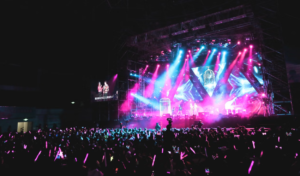
As the live events industry continues to push the boundaries of visual production, a critical question is being raised among technicians, venue operators, and health-conscious fans alike: Are stage fog machines safe, and what are we actually breathing in when the fog rolls over the crowd?
Understanding the Culprit: What Actually Is Stage “Smoke”?
To understand the potential health risks, we first need to look at what is coming out of a fog machine nozzle. Unlike natural fog, which consists of condensed water vapor, theatrical fog is artificially generated using specialized mechanical equipment and chemical solutions.
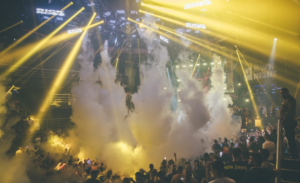
Depending on the type of effect desired, stage equipment generally relies on three main categories of fluid:
Glycol- and Glycerin-Based Fog Fluids: These are the most common fluids used in high-output fog machines to produce thick, dense, white clouds that linger in the air. They consist of a mixture of distilled water and glycols (such as propylene glycol). When heated properly, they vaporize into a dense mist. However, if the machine’s heating element malfunctions or fails to reach the correct operating temperature, the fluid can break down into acrolein—a highly toxic and irritating chemical compound known to severely damage the respiratory tract.
Water-Based Hazers: Hazers use mineral oil or water-glycol solutions coupled with high pressure to produce a fine, translucent mist (haze) rather than thick plumes. Haze is designed to hang in the air for long periods to accentuate lighting effects. While generally lighter than heavy fog, prolonged direct inhalation can still provoke asthma symptoms or throat irritation.
Low-Fog / Dry Ice Systems: These generate a low-lying ground effect (“dancing on clouds”) using chilled fluid or actual carbon dioxide (CO2). While visually stunning, they must be strictly managed in enclosed spaces to prevent oxygen displacement near floor level.
The Core Issue: Low-Quality Fluids vs. High-Purity Standards
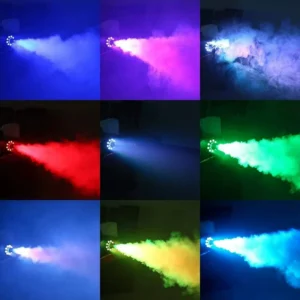
Not all stage smoke is created equal. The vast majority of severe respiratory complaints do not stem from properly managed theatrical effects, but rather from dangerous operational shortcuts. The differences between low-quality and high-grade setups are stark:
Chemical Purity (USP-Grade vs. Industrial Grade): Premium production operations use USP-grade (United States Pharmacopeia) ingredients that are certified non-toxic, pharmaceutical-grade, and thoroughly tested for safe human exposure. In contrast, low-cost, unverified third-party fluids often contain industrial additives, impurities, or cheap chemical solvents that release noxious fumes when heated.
Thermal Regulation and Incomplete Vaporization: A professional-grade fog machine features precise digital thermostats. If a machine runs too cool, it cannot properly vaporize the fluid. Instead of safe vapor, it spits out microscopic, unvaporized liquid droplets. When inhaled, these sticky droplets coat the lungs and upper airways, triggering severe coughing and bronchial inflammation.
Proximity and Concentration: Heavy fog is designed to disperse into the ambient air of a venue. When high-output units are blasted directly toward dense crowds or front-row seating without adequate distance or dilution, spectators are forced to inhale raw, concentrated aerosol particles before they can safely break down.
Health Risks: What Happens When Safety Protocols Fail?
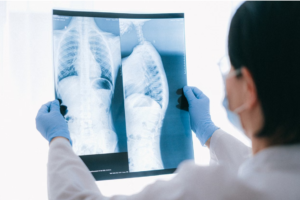
When inferior fluids are used or equipment is improperly managed, the health consequences can range from mild annoyance to serious medical conditions:
Upper Respiratory Irritation: The most immediate symptom is a scratchy throat, watery eyes, and a dry, hacking cough.
Triggering Asthma and Bronchitis: Individuals with pre-existing respiratory conditions like asthma are exceptionally vulnerable. Inhaling dense glycol aerosols can trigger acute bronchospasm.
Prolonged Exposure Complications: In extreme cases where individuals are subjected to dense, poorly regulated chemical smoke for hours without proper ventilation, reports have linked exposure to bronchitis-like symptoms that require medical intervention and extended recovery times.
Best Practices for Event Technicians and Venue Safety

Maintaining the magic of live entertainment does not have to come at the expense of audience and crew health. Event producers, DJs, and venue operators can drastically minimize risks by adhering to strict operational standards:
Enforce a Clear Buffer Zone: Never place high-output foggers or hazers immediately adjacent to audience areas or performance barricades. Maintain a proper clearance buffer to allow the aerosol to disperse safely into the air.
Invest in Certified, High-Purity Fluids: Always source water-based fluids from reputable manufacturers. Avoid generic, bargain-bin alternatives that lack clear safety data sheets (SDS) or ingredient transparency.
Regularly Service Equipment: Keep heating cores clean and thermostats calibrated. Preventing thermal breakdown is the single most effective way to eliminate toxic byproducts like acrolein.
Prioritize Venue Ventilation: Coordinate closely with venue technicians to ensure continuous air exchange and proper draft management, preventing heavy smoke from pooling stagnant in enclosed spaces.
Conclusion: Balancing Spectacle and Responsibility
Stage effects like fog, haze, and lighting are fundamental pillars of modern immersive entertainment. However, the occasional reports of severe audience discomfort serve as an important reminder that production safety must always match visual ambition. By prioritizing high-purity fluids, maintaining equipment integrity, and respecting proper spatial design, the industry can ensure that live events leave lasting memories for all the right reasons.