
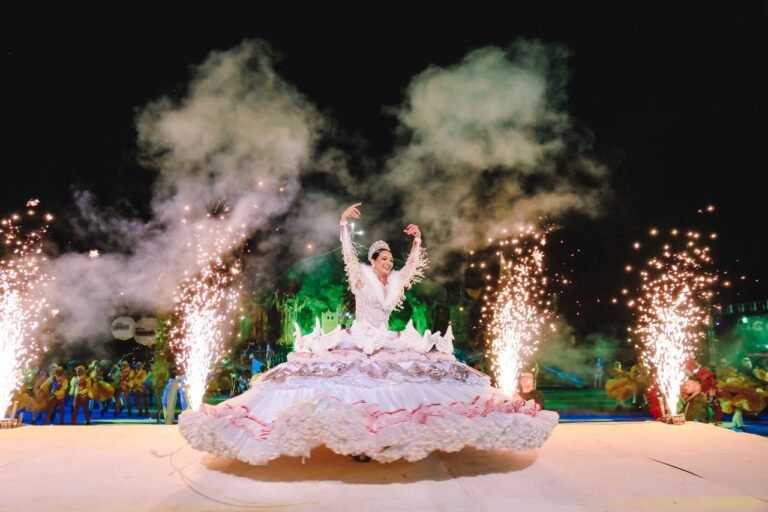
Are indoor sparkulars truly 100% safe? A technical breakdown of titanium powder purity, thermal regulation, and fire safety compliance for event planners and venues.
Introduction: The Shift to “Safe Pyrotechnics”
For decades, event producers and venue managers faced a frustrating dilemma: audiences love the grand, emotional impact of pyrotechnics, but traditional fireworks carry extreme fire hazards, smoke, and strict regulatory permits.
The introduction of cold spark machines (often called Sparkulars) revolutionized stage design. Promoted as low-risk, indoor-friendly, and completely burn-free, these units quickly became a standard highlight for luxury weddings, corporate launches, and high-end club shows.
However, as cheap, uncertified knockoffs flood the global wholesale market, venue operators and production companies are raising urgent warnings. Reports of singed stage drapes, unexpected indoor smoke, and near-miss fire hazards are mounting. Are indoor cold sparks as bulletproof as advertised, or are substandard machines quietly putting your events—and business reputation—at risk?
Understanding the Technology: How Cold Sparks Actually Work
To evaluate safety, we must first clear a common misconception: cold spark machines do not use gunpowder, liquid fuel, or real chemical combustion. Instead, they rely on a precise physical reaction:
Titanium-Zirconium Alloy Granules: The consumable powder fed into the unit consists of engineered metal particles.
Controlled Induction Heating: The machine heats these granules inside a sealed internal chamber to around 500°C–600°C (932°F–1112°F).
Forced-Air Ejection: High-speed internal blowers blast the glowing particles into the air. As the tiny particles hit oxygen outside the nozzle, they glow brilliantly and cool down rapidly within milliseconds.
By controlling granule size and air pressure, units produce precise fountain heights ranging from 1.5 meters (indoor ambient use) up to 5 meters (outdoor stages).
The Hidden Risks of Cheap Equipment & Uncertified Consumables
When operated with top-tier equipment and verified consumables, cold sparks pose virtually zero fire risk. But operational shortcuts create severe failure points:
1. Impure Titanium Powder (Industrial Scrap vs. High-Purity Alloy)
Premium sparks require high-purity (99%+) pharmaceutical- or technical-grade titanium alloys with uniform particle sizing. Low-cost suppliers often load consumables with cheap industrial scrap metal, iron filings, or unrefined fillers. These impurities burn unevenly, generate pungent chemical odors, leave sticky black residue, and drop heavy, uncooled hot embers onto carpets, drapes, or artists.
2. Thermal Regulation Breakdown
Professional-grade units utilize dual digital thermostats with automatic cut-off sensors. If an uncalibrated budget machine runs too hot, the metal powder melts inside the chamber, causing dangerous flame flares or internal clogs. Conversely, if it runs too cold, unheated raw powder spews out, creating eye-irritation hazards for surrounding guests.
3. Excess Smoke and HVAC Triggers
Pure titanium sparks burn virtually smokeless. However, low-grade granules containing organic binder impurities or industrial oils produce dense, irritating smoke that can instantly trigger delicate indoor photoelectric smoke detectors—resulting in unwanted venue evacuations and costly false-alarm municipal fines.
Compliance & Liability: What Venue Operators and Rental Houses Need to Know
In the B2B event industry, equipment failure isn’t just a technical glitch—it is a legal liability. A single fire safety violation can lead to revoked operating licenses, canceled insurance coverage, and devastating commercial lawsuits.
Before bringing cold spark units into any commercial venue, B2B procurement teams must audit four core compliance standards:
International Electrical Safety Certifications: Ensure units carry valid CE, RoHS, and FCC validation.
Consumable Safety Data Sheets (SDS): Verified granules must be supported by an authentic SDS declaring the powder as non-explosive and non-hazardous for air freight and indoor handling.
Emergency DMX Shut-Off: Professional units must support immediate panic-stop commands via standard DMX controllers.
Anti-Tilt Auto-Protection: If a unit is knocked over by dancers or stagehands during a show, an internal gyroscope must automatically kill the heater and blower in under 0.2 seconds.
Best Practices for Safe Operation and Sourcing
Maintain a 3-Meter Safety Buffer: Always maintain a clear vertical and horizontal clearance perimeter around nozzles, away from direct overhead drapes or low ceilings.
Never Mix Brands Arbitrarily: Match specific granule mesh sizes to the manufacturer’s heater specs. Using high-output outdoor powder in an indoor-calibrated machine causes severe thermal clogging.
Require Batch Testing Certificates: Require factory-issued purity reports for every wholesale batch of consumable powder.
By investing in high-precision thermal hardware and certified consumables, event operators protect both the magic of the performance and the safety of their patrons.